


A cash agreement, not a completed acquisition
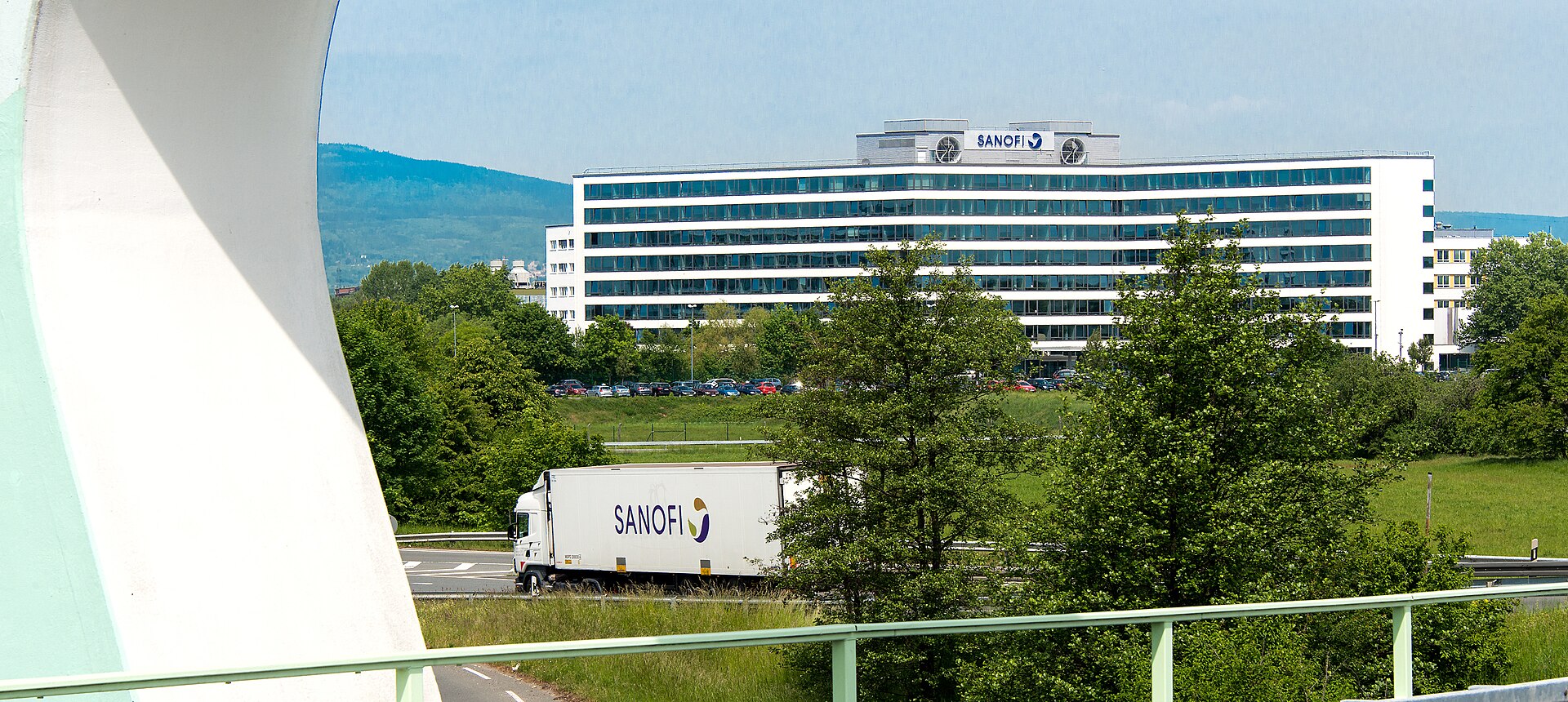
Sanofi announced on 24 November that it had agreed to acquire Insmed for $175 per share in cash. The total equity value is approximately $41.0 billion, or €37.6 billion at the company's stated conversion. Reuters calculates a 17.5% premium to Insmed's previous closing price. That premium measures the offer against a market quotation before the announcement; it does not measure the value created for Sanofi or the return an Insmed shareholder will ultimately receive. The two companies' boards have approved the agreement, but Insmed still exists as a separate listed company and the acquisition has not closed. [1][3][4]
The distinction between equity value and the broader economics of the transaction matters. The $41 billion headline describes the value attributed to outstanding Insmed shares under the agreement. It is not a sum already paid, nor a complete measure of the combined group's future debt, integration spending or research obligations. Cash consideration gives Insmed shareholders a fixed contractual price if the merger completes, while Sanofi assumes the commercial and scientific uncertainty after that point. Unlike an all-share offer, the arrangement does not ask Insmed shareholders to retain a continuing interest in the buyer's future performance.
The timetable also separates today's announcement from ownership. Sanofi expects completion in the first half of 2027, subject to Insmed shareholder approval, US and certain non-US regulatory approvals and other customary conditions. Those conditions make the intervening period financially relevant. Sanofi must arrange durable funding, while Insmed must continue operating and developing its products. The offer price is therefore precise, but the date on which cash changes hands and Sanofi takes control remains conditional. [1][3]
Why both share prices could rise together
The immediate equity reaction was unusually favourable to both sides of an acquisition. Reuters reported Sanofi shares rising around 10%, their biggest daily increase since 2008, while Insmed shares gained about 14%. Sanofi was the strongest performer in Europe's STOXX 600 that day. These are dated observations of the announcement reaction, not proof that the acquisition will earn an adequate return. Prices can incorporate relief about strategy, expectations already formed after earlier takeover reports and changes in the perceived risk of the standalone businesses. [4]
Insmed's rise is easier to connect mechanically to a cash offer. Before completion, its shares trade alongside a contractual proposal rather than solely as a claim on an independent company. The difference between the market price and $175 reflects more than a free remaining gain: shareholders must consider the vote, regulatory clearances, time to payment and the possibility that the agreement ends. The SEC filing requires approval by more than two-thirds of all votes entitled to be cast by Insmed's outstanding shares, a higher bar than counting only votes submitted at the meeting. [3]
Sanofi's rise requires a different explanation because the buyer is committing cash and assuming new risks. Investors may welcome a clearer answer to the company's future growth problem and prefer a commercial-stage asset to an earlier research gamble. That interpretation remains a market judgment, not operating evidence. The coming test is whether reported sales, clinical results, financing terms and integration costs support the initial repricing. A positive first session cannot substitute for that evidence, just as a negative reaction would not by itself prove that the strategic rationale was wrong.
Brinsupri supplies real revenue, not only scientific promise
The acquisition's strongest financial evidence is Brinsupri, known scientifically as brensocatib. It is a once-daily oral inhibitor of DPP1 approved in the US, EU, UK and Japan for non-cystic fibrosis bronchiectasis, with eligible populations differing by jurisdiction. Sanofi describes it as the first and only approved treatment for the disease. Unlike a pipeline-only biotechnology purchase, this transaction includes a medicine whose uptake can already be observed in reported revenue. [1]
Insmed reported $400.1 million of Brinsupri revenue in the third quarter of 2026, up 29% from the second quarter. Revenue for the first nine months reached $917.1 million, of which $913.8 million came from the US. Sanofi separately stated cumulative revenue of $1.09 billion through 30 September following the US launch in August 2025. Those figures use different accumulation periods and should not be added together. The nine-month result describes 2026 sales; the cumulative figure includes sales since launch. [1][2]
Insmed raised its full-year 2026 Brinsupri revenue guidance to $1.35 billion to $1.4 billion on 29 October. That range is company guidance, not realised annual revenue. It implies that the fourth quarter remains necessary to reach the target, and the acquisition announcement does not retrospectively change the underlying sales evidence. For valuation, the critical questions are patient diagnosis, treatment duration, reimbursement, geographic expansion and the cost of supporting growth. A fast launch demonstrates demand, but it does not establish a permanent growth rate or eliminate safety and payer scrutiny. [1][2]
Arikayce diversifies the portfolio, while concentration remains high
Arikayce is an inhaled antibacterial treatment used within combination therapy for certain adults with mycobacterium avium complex lung disease. It generated $433.8 million in 2025, up 19% year on year. In the third quarter of 2026, revenue reached $124.4 million, 9% above the same quarter of 2025. International sales grew 21%, while US sales grew 2%. This composition matters because an aggregate growth rate can otherwise conceal very different regional conditions. [1][2]
The product also illustrates why regulatory language cannot be treated as a footnote. Its US indication was approved through the accelerated approval pathway based on sputum culture conversion. Sanofi's release states that clinical benefit has not yet been established and continued approval may depend on confirmatory evidence. In September, the FDA accepted a priority-review application for broader use in a combination regimen, with a target action date of 28 January 2027. Acceptance for review is not approval, and a target date is not a guaranteed decision outcome. [1][2]
Together, Brinsupri and Arikayce make Insmed a genuine commercial business, but not an evenly diversified pharmaceutical group. Insmed's third-quarter revenue was $524.4 million, meaning Brinsupri supplied roughly three quarters of the total. A simple division, $400.1 million by $524.4 million, gives about 76%. This is an observed revenue concentration, not a forecast. Sanofi's broader organisation can absorb and distribute the products differently after closing, yet it cannot remove the underlying exposure to a small number of therapies. Portfolio fit and product concentration can coexist.
Growing sales do not yet mean self-funded growth
Insmed's commercial expansion has been accompanied by substantial spending. Third-quarter research and development expenses were $270.0 million, compared with $186.4 million a year earlier, driven in part by manufacturing, clinical development and research costs related to TPIP. Selling, general and administrative expenses reached $253.0 million, reflecting commercial activity for Brinsupri and higher staffing costs. The company reported a net loss of $100.3 million for the quarter, despite the sharp revenue increase. [2]
These figures prevent a simplistic price-to-sales conclusion. Dividing the $41 billion equity value by one product's annual revenue guidance would ignore the other medicine, the pipeline, operating costs, cash, debt and the time required to reach sustainable earnings. It would also treat a single year's sales as if they were a perpetual cash flow. A more useful analysis follows gross profit after manufacturing, the research needed to maintain and expand the portfolio, commercial expenditure, tax, financing costs and the timing of those cash flows. [1][2]
At 30 September, Insmed held approximately $1.1 billion in cash, cash equivalents and marketable securities. That liquidity is relevant to its standalone operations, but it is small beside the announced equity value and does not finance Sanofi's purchase. The buyer cannot simply offset its entire offer with the target's cash without considering working capital, research commitments and transaction mechanics. The acquisition changes who funds the next stage of development; it does not make that development expenditure disappear. [2][3]
TPIP adds scientific optionality, not current sales
Treprostinil palmitil inhalation powder, or TPIP, is the principal late-stage pipeline asset named in the announcement. It is being developed as a once-daily inhaled prostanoid for pulmonary hypertension and fibrotic lung disease. Insmed reported that more than 35% of patients had been enrolled in the Phase 3 PALM-ILD study by 29 October, with enrolment expected to finish in the first half of 2028. Other Phase 3 programmes in pulmonary arterial hypertension and progressive pulmonary fibrosis began in July and September 2026. These are development milestones, not evidence of efficacy or approved uses. [1][2]
A pharmaceutical pipeline creates value through a sequence of uncertain gates. Trials must produce interpretable results, regulators must assess them, manufacturers must supply a consistent product and payers must decide whether and how to reimburse it. Each stage can change both timing and economics. An inhaled powder also involves a delivery system, so the commercial product is more than a molecule. The public sources do not provide enough evidence to assign a reliable present value to TPIP, and this article does not manufacture one.
Insmed has published multibillion-dollar peak-sales expectations for its portfolio, and Sanofi's chief executive cited combined potential above $10 billion through the end of the next decade. Peak sales are company estimates of possible future annual revenue, not cumulative cash already earned and not a date-certain forecast. They should remain separate from the $524.4 million of quarterly revenue actually reported. The acquisition gives Sanofi access to this optionality, but the premium cannot be justified by treating every research programme as an approved product. [2][4]
The strategic backdrop is Sanofi's dependence on Dupixent
Reuters describes this as Sanofi's largest deal in two decades and places it against the eventual loss of exclusivity for Dupixent in the early 2030s. The eczema and respiratory medicine generated more than €15 billion of sales last year and represents almost 40% of Sanofi's total revenue, according to the report. That concentration explains why a large transaction can appeal to investors even when it increases financial leverage. The strategic problem is not simply finding more science; it is building additional durable revenue before an important product's exclusivity weakens. [4]
Respiratory medicines create a plausible commercial connection between Insmed and Sanofi's existing business. Shared expertise can help with physician engagement, distribution and development, but strategic fit is not the same as a quantified synergy. Sanofi has not presented the deal as a promise to merge every research programme or eliminate all duplicate costs. Its global infrastructure may support wider access, while Insmed contributes specialised scientific and commercial teams. Retaining that expertise can be as important as combining systems, particularly when product knowledge and clinical relationships are central to execution. [1]
The acquisition therefore addresses a real portfolio problem without solving it automatically. Brinsupri and Arikayce provide current sales, while TPIP and earlier programmes provide possible future extensions. Neither category should be valued as if it were the other. The useful measure of strategic progress will be a broader revenue base supported by sustainable margins and continued innovation, not the size of the acquisition alone. Buying a larger portfolio can reduce dependence on one product only if the acquired medicines continue to perform after the transaction.
Debt makes the financing terms part of the investment case
Sanofi will combine debt financing with cash on hand and says committed financing is secured. Reuters reported that JPMorgan co-underwrote a $35 billion bridge financing package. White & Case, which advised on the financing, described the debt package as the largest ever arranged in France and the largest in Europe in the past decade. A bridge facility supports execution around closing; it is not evidence that the final long-term funding mix, interest rate or maturity profile has already been fixed publicly. [4][5]
Cash financing avoids issuing new Sanofi shares as acquisition currency, so existing shareholders do not face dilution from a stock offer. The trade-off is higher financial claims through borrowing and cash used. Interest expense, refinancing conditions and debt repayment compete with research, other acquisitions and shareholder distributions. Sanofi expects rapid deleveraging, a continued progressive dividend and a strong credit rating. These are management objectives, not outcomes guaranteed by the merger agreement. The relevant evidence will be the final debt terms, cash generation and the pace at which obligations decline. [1]
Sanofi expects the transaction to increase business earnings per share by the end of 2028 and says its 2026 guidance is unchanged. Accretion is a comparison with earnings per share that would otherwise be expected, not a promise that total earnings or the share price must rise. The calculation must absorb financing costs and the acquired operating expenses before the contribution becomes positive. Because completion is expected in 2027, the 2026 guidance statement does not provide a test of the acquisition's economics. The later reporting periods will be more informative. [1]
The next evidence is procedural, clinical and financial
The merger filing supplies concrete watchpoints. Insmed's shareholder vote must clear the two-thirds threshold, US antitrust waiting requirements and certain foreign antitrust and foreign-investment clearances must be satisfied, and no legal prohibition can block completion. The agreement includes an initial outside date of 23 August 2027, with automatic extensions under specified circumstances to 23 November 2027 and 23 February 2028. It also includes a $1.125 billion termination fee payable by Insmed in specified situations, including certain changes in its board recommendation or acceptance of a superior proposal. These provisions define contractual risk; they do not indicate that a competing bid exists. [3]
Operating evidence matters just as much. Full-year results will show whether Brinsupri and Arikayce met the October guidance. The FDA's target date for the Arikayce application provides a documented regulatory checkpoint, while TPIP's enrolment and eventual trial readouts will determine whether pipeline claims gain substance. For Sanofi, investors should look for detailed funding arrangements, integration costs, debt reduction and actual product performance after closing. No share-price target follows from these checkpoints, and no broad biotechnology valuation signal can be inferred from one company-specific premium. [1][2][3]
The deal's significance lies in the exchange of risks. Insmed shareholders are offered a defined cash amount, while Sanofi accepts responsibility for financing, reimbursement, clinical development and commercial execution. The announcement-day equity moves show that investors initially welcomed that exchange on both sides. The more demanding judgment comes later: whether acquired revenue and scientific progress can justify the cash committed while preserving Sanofi's capacity to invest. That is a question of measured execution, not acquisition size or a single day's market enthusiasm.
Sources & scope
An explanatory analysis using the dated publications below. Historical figures are not live readings; scenarios are conditional, and market co-movement does not establish causation. Not investment advice.
- 1. Sanofi, Sanofi to acquire Insmed in strategic step that strengthens long-term future (24 November 2026)
Official terms, product descriptions, reported product revenue, company expectations for EPS, deleveraging and credit quality, closing conditions and unchanged 2026 guidance. Company forecasts are identified as expectations rather than achieved results.
- 2. Insmed, Third-quarter 2026 financial results and business update (29 October 2026)
Quarterly and nine-month revenue by product and geography, operating expenses, net loss, liquidity, full-year guidance, regulatory dates and TPIP enrolment. Guidance and peak-sales estimates are not treated as realised revenue.
- 3. Insmed, Form 8-K and merger agreement summary (filed 24 November 2026)
Regulatory filing covering the agreement, two-thirds outstanding-share approval requirement, antitrust and foreign-investment conditions, outside dates and the specified $1.125 billion termination fee.
- 4. Reuters via Investing.com, Sanofi's $41 billion Insmed bet charts life beyond Dupixent (24 November 2026)
Dated announcement-day equity moves, 17.5% premium, Dupixent revenue and concentration, acquisition ranking and JPMorgan bridge-financing statement. Share moves are not used as proof of future value creation.
- 5. White & Case, Advising Sanofi on financing for the $41 billion acquisition (24 November 2026)
Financing adviser confirming debt and cash funding and its ranking among French and European acquisition financings. This source does not establish undisclosed final interest rates or maturities.