



A slower monthly increase that still disappointed markets
The US inflation report released on 10 November contains two truths that are easy to confuse. Consumer prices rose 0.4% in October after increasing 0.6% in September, so the monthly pace slowed. But prices excluding food and energy rose 0.3% for a third consecutive month, above the 0.2% increase economists had expected in Reuters' reporting. A smaller headline increase did not deliver the underlying cooling investors were looking for. These are seasonally adjusted monthly changes, not annual inflation rates or forecasts for November. [1][2]
That distinction matters as policymakers weigh the December interest-rate decision. Energy offered less upward pressure than in September, yet food, shelter and several services continued becoming more expensive. The economic question has shifted from whether an energy shock can fade to whether inflation persists after its strongest direct impulse diminishes. For households, a slower increase still means a higher price level. For bondholders, persistent underlying pressure can change the expected policy path even when the most visible commodity has recently become cheaper. The report therefore deserves more scrutiny than either a reassuring headline or a blanket claim that every price is accelerating. [1]
The missing annual comparison must stay missing
This release has an unusual statistical limitation. The Bureau of Labor Statistics did not collect survey data in October 2025 because of a lapse in appropriations. For most CPI series, the corresponding index is unavailable, preventing publication of October 2026 twelve-month changes. An absent annual all-items reading is not zero inflation, and September's annual figure cannot be relabelled as October's. Some series have a valid comparison, but that does not restore the missing denominator for the broad headline or core index. [1]
The monthly evidence remains useful. It can show whether pressure is easing, broadening or persisting across categories without an annual comparison. However, multiplying one monthly figure by twelve would describe a hypothetical sustained pace, not a measured year-on-year outcome. Seasonal adjustment also matters: the official report records gasoline increasing 1.0% after adjustment while falling 0.7% before adjustment. Those figures answer different questions and are not contradictory. Investors should keep the comparison basis visible rather than selecting whichever number best supports a preferred interpretation. Missing data calls for disciplined comparisons, not invented precision. [1]
Food and shelter make the squeeze difficult to avoid
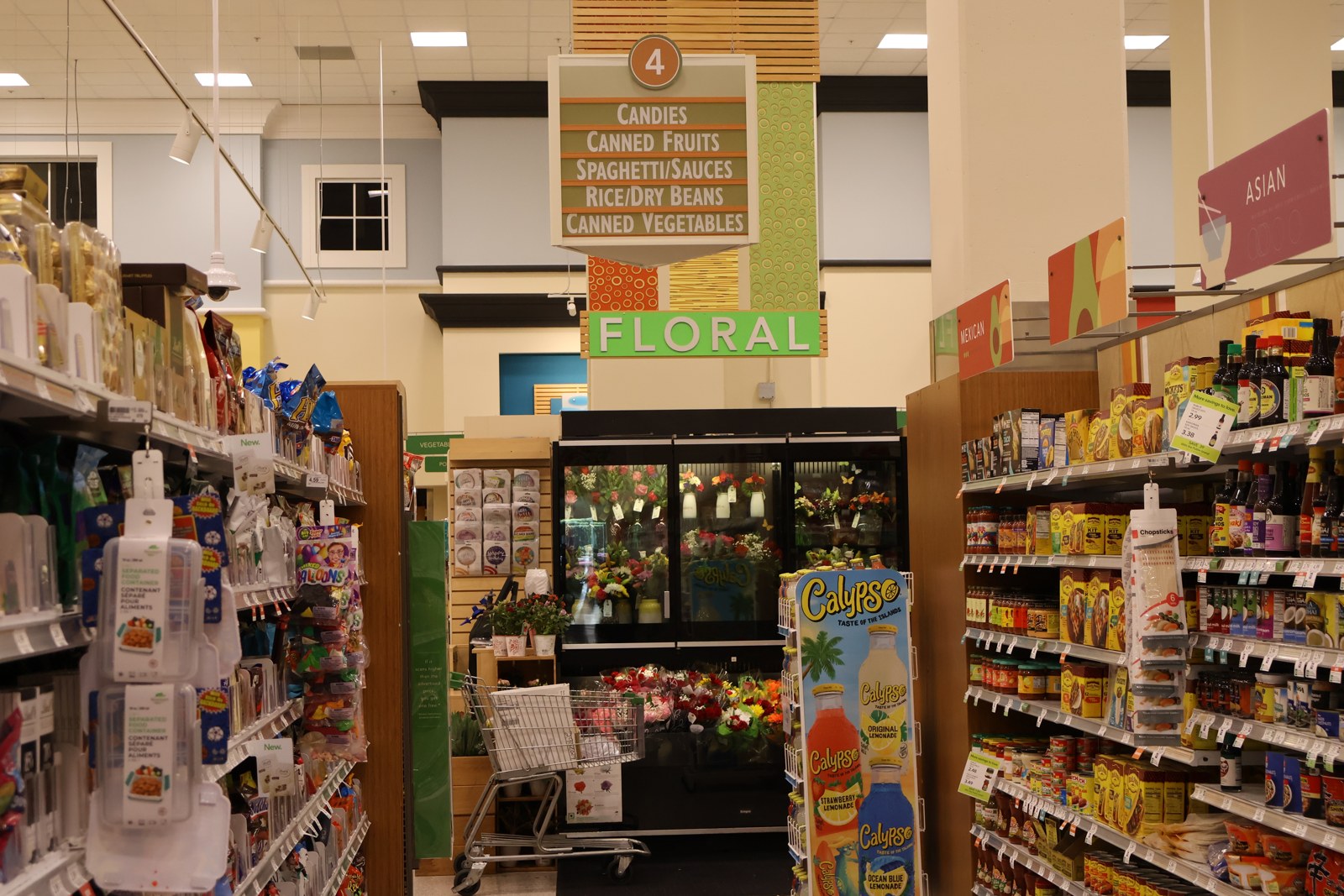
Food prices increased 0.5% in October after being unchanged in September. Groceries rose 0.4%, while food away from home rose 0.5%. Within groceries, four of six major groups increased: beef rose 0.9%, and both fruits and vegetables and dairy products increased 0.6%. Nonalcoholic beverages fell 0.3%, while cereals and bakery products were unchanged. This is a differentiated basket, not a claim that every product became more expensive at the same rate. Nevertheless, increases in essential categories make it harder for households to avoid the pressure simply by postponing a discretionary purchase. [1]
Shelter rose 0.3% and accounted for more than thirty percent of the overall monthly increase. Owners' equivalent rent rose 0.3%, actual rent increased 0.2%, and lodging away from home rose 0.6%. Owners' equivalent rent measures an imputed housing-service cost, not a newly paid mortgage bill or a house-price change. These distinctions matter when evaluating purchasing power. A household's experience depends on its housing arrangements and spending pattern, so the aggregate CPI is not everyone's personal inflation rate. The commercial implication is conditional: persistent essential costs can leave less room for discretionary spending unless wages or other income compensate. [1]
Energy relief and sticky services operate on different clocks
The energy index increased 0.7% in October, far below September's 5.2% rise. That is slower energy inflation, not a fall in the adjusted energy basket. Electricity rose 0.9%, while utility gas fell 0.8%. A subsequent decline in crude oil can influence future fuel costs, but it cannot rewrite the October observation. Retail prices also depend on refining, distribution and other costs, so the timing and size of pass-through need not match the daily oil market. Relief is economically meaningful without being instantaneous or uniform. [1]
Services create a separate challenge. Motor vehicle insurance increased 0.7%, recreation rose 0.8%, and medical care increased 0.3%. Used vehicles, by contrast, fell 1.2%. The breadth of those movements means a cheaper barrel is not enough to establish a broad disinflationary trend. Insurance costs, healthcare pricing and housing services do not simply track crude futures. Their determinants and adjustment schedules differ. For investors, this argues against projecting a commodity reversal mechanically into the whole consumer basket. The useful test is whether successive releases show more categories cooling, rather than whether one widely watched input has declined. [1]
A half-point increase is a debate, not a completed decision
Before the CPI release, Fed Governor Christopher Waller said a core monthly reading of 0.3% or more would warrant considering a 50-basis-point increase at the December 8–9 meeting. The data met that stated threshold. Reuters also reported Dallas Fed President Lorie Logan arguing that rates needed to rise at least half a percentage point before pausing to assess conditions. Those statements strengthen the case for further tightening, but neither is a vote already cast by the full committee. The size and timing of the next move remain a policy decision. [2]
There is also a measurement distinction: the Fed's 2% inflation objective uses the Personal Consumption Expenditures price index, not CPI. The two measures differ in coverage and weights, although CPI helps inform the assessment. An analyst estimate of October PCE cannot be treated as a published result. Policymakers must also weigh employment and the delayed effects of earlier rate changes. A larger increase may signal determination to contain persistent inflation; it can also heighten the risk of unnecessary restraint if conditions soften. Credibility and calibration are competing considerations, not reasons to pretend the latest release settles every part of the trade-off. [2]
The bond reaction is about the policy path, not just one meeting
Reuters described a broad Treasury selloff after the CPI data and Waller's remarks, with two-year yields rising by the most since early April 2025. In its captured intraday report, market bets on a half-point December increase were close to 15% around midmorning. That was an observation at a particular time, not a fixed probability, an official forecast or the final closing price. The direction of the move is consistent with investors revising the expected path of short-term rates upward rather than treating the slower headline CPI increase as sufficient reassurance. [2]
When yields rise, existing fixed-rate bond prices generally fall, with sensitivity determined by duration and other characteristics. Longer-dated yields also reflect growth expectations and compensation for holding interest-rate risk, not only the next Fed decision. Corporate borrowers face an additional credit spread, which can change independently of government yields. A business with imminent refinancing needs may therefore feel more pressure than a cash-rich peer with long-dated fixed-rate debt. For investors, the central distinction is between receiving a higher prospective yield and avoiding a mark-to-market loss: those are not the same outcome for an existing bond position.
Equity exposure depends on financing and pricing power together
Higher expected borrowing costs can weigh on equity valuations by increasing the discount rate applied to future cash flows. Businesses whose value depends heavily on distant profits can be particularly sensitive, but valuation is only one channel. Companies may also face higher financing expenses, weaker customer demand or changing input costs. A manufacturer benefiting from cheaper energy could still struggle if its customers cut orders or its refinancing bill rises. The appropriate analysis reconciles these channels rather than assigning a uniform outcome to an entire index.
Food retailers and consumer suppliers face their own trade-off. Essential demand may be more resilient than discretionary demand, but higher prices do not guarantee wider margins: procurement, labour and promotional costs can absorb revenue gains. Banks may receive higher yields on assets while paying more for deposits and facing greater credit losses. For firms earning abroad, currency movements can alter translated earnings, but an inflation surprise alone does not establish a specific dollar path. Balance sheets, customer exposure and the ability to pass through costs determine which businesses withstand tighter conditions. None of those differences can be inferred solely from the monthly CPI headline.
The next test is whether cooling spreads beyond energy
A constructive path would combine continuing energy relief with slower services inflation, easing shelter pressure and resilient employment. A more difficult path would see food and services remain firm while headline inflation benefits temporarily from cheaper fuel. A stressed path would combine persistent price pressure with weaker demand and tighter credit, making the policy trade-off harder. These are conditional scenarios, not forecasts with assigned probabilities. The December meeting occurs before the next CPI release: BLS schedules November's report for 10 December, one day after the stated meeting ends. Policymakers will therefore need other incoming evidence as well. [1][2]
The watchlist is specific: published PCE data rather than estimates, labour-market developments, the breadth of service-price increases, household spending and credit conditions. Subsequent energy readings should be assessed separately from core categories and all comparison periods clearly identified. October's message is not that disinflation is impossible. It is that slower headline inflation can coexist with an uncomfortable underlying trend. For markets, cheaper oil offers one source of relief, while the persistence of everyday price pressure keeps monetary restraint in play. A durable improvement requires more than a commodity reversal: it requires cooling broad enough to change both household budgets and the Fed's assessment.
Sources & scope
An explanatory analysis using the dated publications below. Historical figures are not live readings; scenarios are conditional, and market co-movement does not establish causation. Not investment advice.
- 1. US Bureau of Labor Statistics, Consumer Price Index: October 2026 (10 November)
Official archived release read through the website service: headline and core monthly rates, food and shelter detail, energy adjustment distinction, unavailable broad annual comparisons and the 10 December next-release date. Direct automated access returns 403; archived content was successfully retrieved and checked.
- 2. Reuters via Investing.com, Fed officials open door to a half-point hike (10 November 2026)
Article retrieved through the website service: 0.2% core consensus, Waller and Logan remarks, December 8–9 meeting, Treasury selloff and approximately 15% intraday half-point pricing. Later headline and probability updates can differ. PCE projection is not used as a realised result. Direct automated access returns 403.